

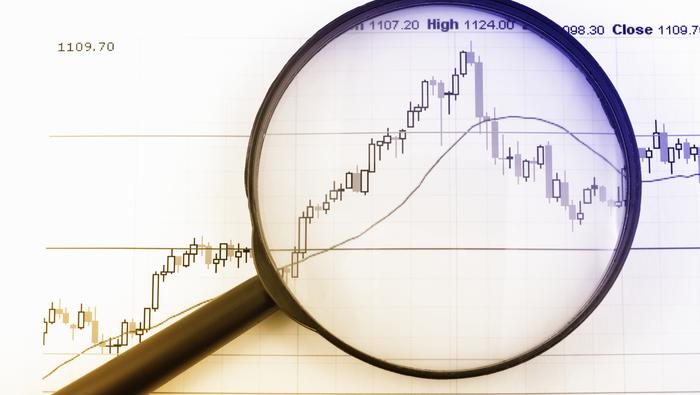
Market timing is a critical aspect of trading and investing, often separating successful traders from those who struggle to generate consistent returns. At its core, market timing involves identifying the most opportune moments to buy or sell assets based on various indicators, including technical analysis, fundamental analysis, and market sentiment. In this article, we will delve into the intricacies of timing the trade, exploring strategies and techniques to help traders capitalize on market opportunities effectively. Capitalizing on market opportunities is not for everyone, you need some skills and education! Register at one of the best investment firms in the game and get started with investment education.
Understanding Market Cycles
Market cycles are recurring patterns that reflect the fluctuations in asset prices over time. These cycles typically include bull markets, characterized by rising prices and investor optimism, bear markets, marked by falling prices and pessimism, and sideways markets, where prices move within a relatively narrow range. Recognizing the current phase of the market cycle is crucial for making informed timing decisions. For instance, during bull markets, traders may seek to ride the upward momentum, while during bear markets, they may adopt defensive strategies to mitigate losses.
Technical Analysis Tools
Technical analysis involves analyzing past market data, primarily price and volume, to forecast future price movements. Traders utilize various technical indicators and chart patterns to identify potential entry and exit points. Moving averages, such as the simple moving average (SMA) and the exponential moving average (EMA), help smooth out price fluctuations and identify trends. Relative Strength Index (RSI) and Moving Average Convergence Divergence (MACD) are oscillators that provide insights into overbought and oversold conditions. Chart patterns, such as head and shoulders and double tops/bottoms, offer visual cues of potential trend reversals, aiding in timing decisions.
Fundamental Analysis Considerations
While technical analysis focuses on price action, fundamental analysis delves into the underlying factors driving asset prices, including economic indicators, company financials, and industry trends. Economic indicators, such as Gross Domestic Product (GDP) growth, employment data, and inflation rates, provide insights into the health of the economy and influence market sentiment. Company financials, including revenue, earnings, and cash flow, offer valuable information about a company’s financial health and growth prospects. Additionally, monitoring industry trends and competitive dynamics can help traders anticipate shifts in market conditions and adjust their timing strategies accordingly.
Psychology of Timing
The psychology of timing plays a significant role in trading decisions, often leading to cognitive biases that can impair judgment. Confirmation bias, the tendency to seek out information that confirms existing beliefs, can lead traders to overlook contradictory evidence and make suboptimal timing decisions. Fear of missing out (FOMO) can drive impulsive buying decisions during market rallies, while fear of loss can trigger premature selling during downturns. Overcoming these biases requires self-awareness and discipline, along with strategies such as setting predefined trading rules and sticking to a well-defined investment plan.
Risk Management Strategies
Effective risk management is essential for preserving capital and achieving long-term success in trading. Setting stop-loss orders, which automatically execute trades at predetermined price levels, helps limit potential losses and protect profits. Additionally, establishing profit targets based on risk-reward ratios ensures that trades are entered with a clear exit strategy in mind. Diversification, spreading investments across different asset classes and sectors, reduces portfolio volatility and minimizes the impact of adverse market movements. By incorporating risk management techniques into their timing strategies, traders can mitigate downside risk and enhance overall portfolio performance.
Case Studies and Examples
Examining real-world case studies and examples can provide valuable insights into the practical application of timing strategies. Analyzing past market cycles and the corresponding timing decisions can reveal patterns and trends that inform future trading strategies. For instance, studying historical data may uncover correlations between specific technical indicators and subsequent price movements, enabling traders to refine their timing signals. Moreover, learning from both successful and unsuccessful timing decisions helps traders refine their skills and adapt to changing market conditions over time.
Conclusion
In conclusion, timing the trade requires a comprehensive understanding of market dynamics, along with the discipline to execute strategies effectively. By leveraging technical and fundamental analysis tools, managing psychological biases, and implementing robust risk management strategies, traders can enhance their timing decisions and capitalize on market opportunities. Continuous learning and adaptation are key to navigating the complexities of financial markets and achieving long-term success in trading and investing.
