

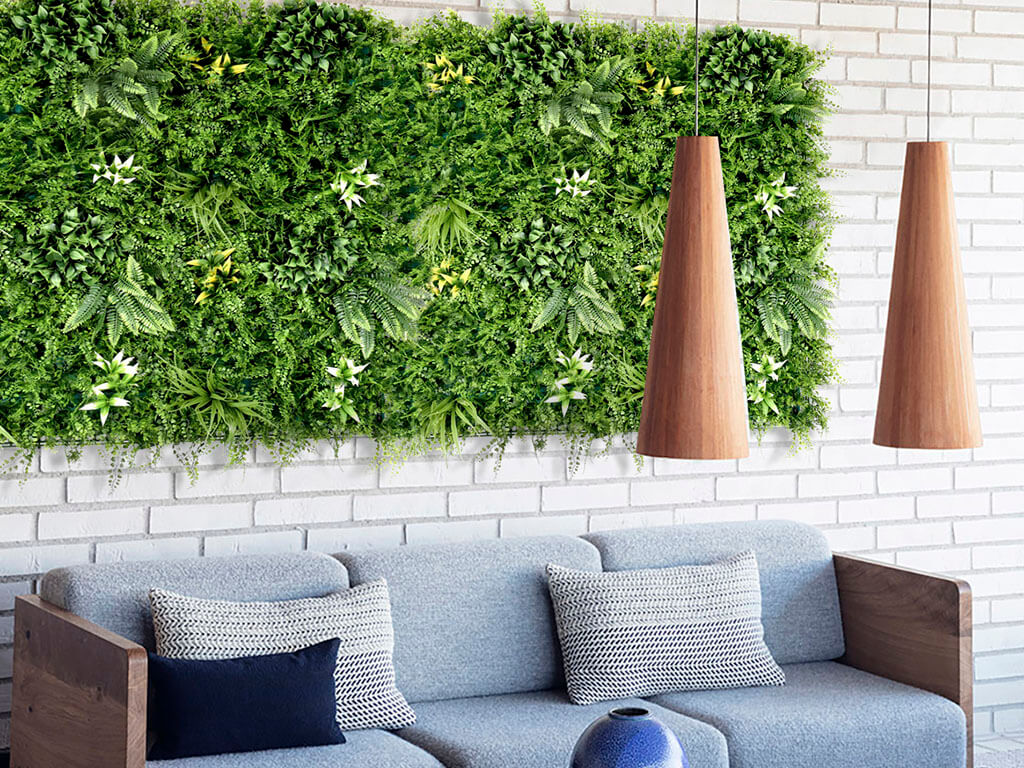
Artificial vertical garden walls have become a popular choice for homeowners and businesses alike, offering a maintenance-free solution to add greenery and vibrancy to any space. Selecting the right artificial plants for your vertical garden wall is crucial to achieving a natural look and ensuring your installation complements your décor. Here are some tips and considerations to help you choose the best artificial plants for your vertical garden wall.
Consider the Space and Lighting
The location of your vertical garden wall will significantly influence your choice of artificial plants. For indoor spaces, consider the lighting and overall design of the room. Bright, well-lit areas can handle a mix of lush green foliage and colorful flowers, while dimmer spaces may benefit from plants with lighter, more reflective leaves to brighten the area. For outdoor spaces, choose UV-resistant artificial plants to prevent fading and maintain their vibrant appearance over time.
Match the Style of Your Space
Your artificial vertical garden wall should complement the existing style of your space. If your décor is modern and minimalist, opt for sleek, contemporary plants like succulents, ferns, or ivy. For a more traditional or rustic look, choose plants with fuller foliage and varied textures, such as boxwood, eucalyptus, or artificial flower vines. Mixing and matching different plant styles can also create a dynamic and visually appealing design.
Focus on Quality and Realism
The quality of artificial plants varies widely, so it’s essential to invest in high-quality, realistic options. Look for plants made from durable materials like polyethylene or silk, which mimic the texture and appearance of natural foliage. High-quality artificial plants often feature intricate details, such as varying shades of green, veining on the leaves, and natural-looking stems. Choosing realistic artificial plants will ensure your vertical garden wall looks as natural as possible.
Choose a Variety of Plants
Creating a visually appealing vertical garden wall involves using a variety of plants to add depth and interest. Mix different types of foliage, such as broadleaf plants, ferns, and trailing vines, to create a layered effect. Incorporate plants of varying heights and sizes to add dimension and avoid a flat, monotonous look. Adding a few colorful artificial flowers can also enhance the overall design and make your vertical garden wall stand out.
Consider Maintenance and Durability
One of the main advantages of artificial plants is their low maintenance. However, some artificial plants may require occasional cleaning to remove dust and keep them looking fresh. Choose plants that are easy to clean and maintain. Additionally, ensure the plants you select are durable and can withstand the conditions of the space where they will be installed, especially if the vertical garden wall is outdoors.
Plan Your Layout
Before purchasing your artificial plants, plan the layout of your vertical garden wall. Consider the overall design, including the distribution of plants, color balance, and focal points. You can sketch a rough plan or use online design tools to visualize how the plants will look together. Planning your layout in advance will help you determine the right number and types of plants needed to achieve your desired look.
Conclusion
Choosing the right artificial plants for your artificial green wall is essential to creating a beautiful and cohesive design. Consider the space and lighting, match the style of your décor, focus on quality and realism, choose a variety of plants, and plan your layout carefully. By following these tips, you can create a stunning artificial vertical garden wall that enhances your space with lush, maintenance-free greenery.
