

Choosing between satellite internet and fiber can be tricky. Both have their own benefits and drawbacks. This article will help you decide which is best for your needs by comparing their speeds, reliability, installation, availability, and security.
Key Takeaways
- Fiber internet delivers faster speeds and more reliable connections than satellite internet.
- Satellite internet is often the only option in rural areas where fiber is not available.
- Installation for fiber can be more complex and costly compared to satellite internet.
- Satellite internet experiences higher latency, which can affect activities like gaming and video calls.
- Choosing the right internet option depends on your specific needs and location.
Understanding Fiber and Satellite Internet Technologies
How Fiber-Optic Cables Work
Fiber-optic cables use thin strands of glass or plastic to transmit data as light pulses. These cables are capable of carrying large amounts of data at very high speeds. The light signals travel through the core of the fiber, reflecting off the walls to keep the signal strong. This method allows for minimal signal loss and high reliability.
The Mechanics of Satellite Internet
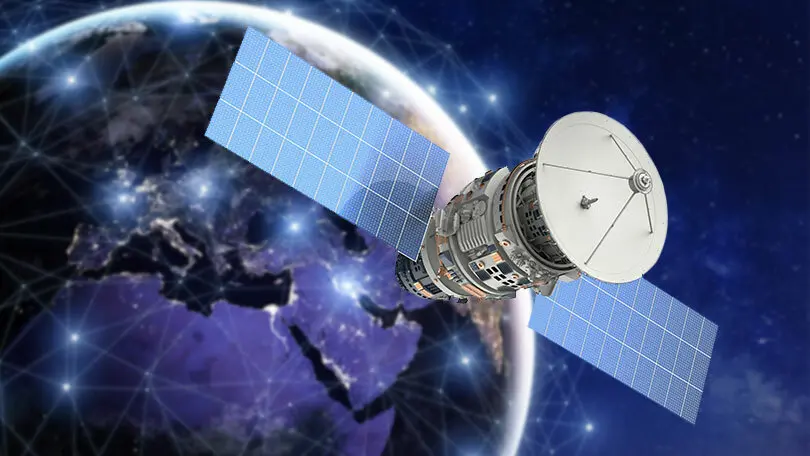
Satellite internet relies on satellites orbiting the Earth to provide internet access. Data is sent from a ground station to a satellite in space, which then relays the data back to a dish installed at the user’s location. This process involves a longer distance for the data to travel, which can result in higher latency compared to fiber-optic connections.
Comparing Data Transmission Methods
When comparing fiber-optic and satellite internet, it’s important to consider how each method transmits data. Fiber-optic cables use light to send data quickly and efficiently, while satellite internet uses radio waves that travel to and from space. Here’s a quick comparison:
| Feature | Fiber-Optic Internet | Satellite Internet |
| Data Transmission | Light pulses | Radio waves |
| Speed | Very high | Moderate |
| Latency | Low | High |
| Reliability | High | Moderate |
| Coverage | Limited to wired areas | Wide, including remote areas |
Each type of internet has its own strengths and weaknesses, making them suitable for different needs and locations.
Speed and Performance Comparison
Download and Upload Speeds
When it comes to download and upload speeds, fiber internet generally outperforms satellite internet. Fiber-optic connections can offer speeds up to 1 Gbps or higher, while satellite internet speeds typically range from 12 Mbps to 100 Mbps. This makes fiber a better choice for activities that require high bandwidth, such as streaming 4K videos or downloading large files.
Latency and Ping Rates
Latency, or the time it takes for data to travel from your device to the server and back, is another critical factor. Fiber internet usually has much lower latency, often less than 20 milliseconds. In contrast, satellite internet can have latency as high as 600 milliseconds due to the long distance data must travel to and from the satellite. This can make real-time activities like real money online casino gaming or video conferencing more challenging on satellite internet.
Impact on Streaming and Gaming
For streaming and gaming, the lower latency and higher speeds of fiber internet provide a smoother experience. Buffering is less common, and games are more responsive. Satellite internet, with its higher latency and variable speeds, may struggle to deliver the same level of performance, especially during peak usage times.
Installation and Setup Requirements
Fiber Installation Process
Setting up fiber internet usually needs a professional technician. They will run cables from your home to the nearest access point. This process can take a few hours, depending on your location and the complexity of the installation. Most service providers include the necessary modem or router as part of the installation package.
Setting Up Satellite Internet
For satellite internet, a technician will mount an antenna dish on your roof or another suitable spot. This dish connects to a modem inside your home. The setup might take longer than fiber installation because it involves aligning the dish to communicate with satellites in space. You may also need additional hardware, like a wireless router.
Equipment and Hardware Needs
Both fiber and satellite internet require a modem or router. However, satellite internet also needs an antenna dish. Here’s a quick comparison:
| Internet Type | Required Equipment |
| Fiber | Modem/Router |
| Satellite | Modem/Router, Antenna Dish |
Professional installation is recommended for both types to ensure everything works correctly.
Availability and Coverage Areas
Urban vs. Rural Availability
Fiber is usually found in cities and densely populated areas. This is because it needs a lot of infrastructure to work. On the other hand, satellite internet can reach almost anywhere, even in remote places. This makes satellite a good choice for rural areas.
Geographical Limitations
Fiber’s reach is limited by the need for physical cables. If you live far from a city, getting fiber might be hard. Satellite internet doesn’t have this problem since it uses satellites in space. However, bad weather can affect its performance.
Service Provider Options
There are many providers for both types of internet. For fiber, you might find companies like AT&T and Verizon. Satellite options include providers like HughesNet and Viasat. Each has different plans and prices, so it’s good to compare them.
Cost Considerations
Initial Setup Costs
When it comes to initial setup costs, fiber internet often requires a more significant investment. This is because installing fiber-optic cables involves laying down new infrastructure, which can be expensive. On the other hand, satellite internet usually has lower setup costs since it doesn’t require extensive wiring. However, you may still need to pay for the satellite dish and other equipment.
Monthly Subscription Fees
Monthly fees for fiber internet can vary widely depending on the provider and the speed of the service. Generally, fiber plans are more expensive than satellite plans, but they offer higher speeds and more reliable performance. Satellite internet plans tend to be more affordable, but they often come with data caps and slower speeds as mentioned on https://audienceplay.com/ site.
Long-Term Value
Considering long-term value is crucial when choosing between fiber and satellite internet. Fiber internet offers better performance and reliability, which can be worth the higher cost over time. Satellite internet might be cheaper initially, but its slower speeds and potential data limits could make it less cost-effective in the long run.
Security and Reliability
Vulnerability to Weather Conditions
Satellite internet can be affected by severe weather, such as heavy rain or snow, which can disrupt the signal. Fiber-optic cables, on the other hand, are buried underground and are less likely to be impacted by weather. This makes fiber a more reliable option in areas prone to extreme weather.
Data Security Measures
Fiber internet transmits data through light pulses in glass or plastic fibers, making it difficult for hackers to intercept. Satellite internet, while also secure, relies on radio waves that can be more vulnerable to interception. To protect your data, always use strong passwords and encryption.
Connection Stability
Fiber offers a stable connection with minimal interference, making it ideal for activities like remote work and online gaming. Satellite internet can experience latency and signal loss, especially during bad weather. For a stable and reliable connection, fiber is generally the better choice.
Choosing the Right Option for Your Needs
Assessing Your Internet Usage
To choose the best internet service, start by thinking about how you use the internet. Do you stream videos, play online games, or work from home? If you do, you might need faster speeds and more reliable connections. On the other hand, if you just check emails and browse the web, a basic plan might be enough.
Future-Proofing Your Connection
When picking an internet service, it’s smart to think about the future. Technology is always changing, and your internet needs might grow. Fiber-optic internet is often seen as a future-proof option because it can handle higher speeds and more data. Satellite internet is also improving, but it might not keep up with fiber in the long run.
Expert Recommendations
Experts suggest looking at several factors before making a decision:
- Speed Requirements: Match the internet speed to your activities.
- Budget: Consider both initial setup costs and monthly fees.
- Availability: Check if the service is available in your area.
- Reliability: Think about how often you need a stable connection.
By considering these points, you can make a more informed choice that fits your needs and budget.
Conclusion
Choosing between satellite and fiber internet depends on your specific needs and location. Fiber internet is known for its high speeds and reliable connections, making it a great choice for those who need fast and stable internet. However, it might not be available everywhere. On the other hand, satellite internet can reach remote areas where fiber isn’t an option, though it may come with slower speeds and higher latency. In the end, the best choice for you will depend on what you value more: speed and reliability or coverage and availability. Consider your situation carefully to make the best decision for your home or business.
Frequently Asked Questions
What is the main difference between fiber and satellite internet?
Fiber internet uses fiber-optic cables to send data as light signals, while satellite internet relies on signals sent to and from satellites in space.
Which is faster, fiber or satellite internet?
Fiber internet is generally faster, offering higher download and upload speeds compared to satellite internet.
Is satellite internet good for gaming and streaming?
Satellite internet can work for gaming and streaming, but it may have higher latency and slower speeds, which can affect performance.
What are the installation requirements for fiber and satellite internet?
Fiber internet requires laying fiber-optic cables, which can be complex. Satellite internet needs a satellite dish and a clear view of the sky.
Which option is better for rural areas?
Satellite internet is often better for rural areas where fiber isn’t available due to its wide coverage.
How do weather conditions affect satellite internet?
Weather conditions like heavy rain or storms can disrupt satellite internet signals, causing slower speeds or temporary outages.
