

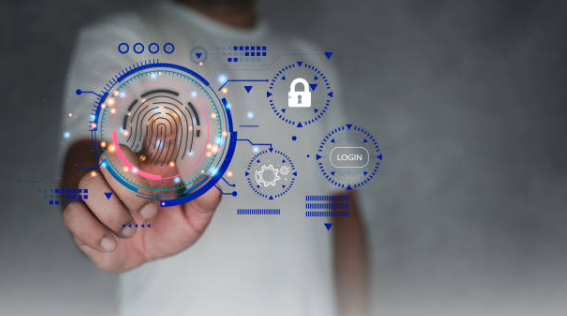
Biometric age verification systems have come up as a critical tool in different industries to facilitate the best ways to check a person’s age. The entire process works with biometric data and this technology has shown a massive development during the past years with more security and precise solutions to make the online environment safe.
Genesis of Biometric Age Verification
The biometric age verification concept was initiated when researchers found out the ways to recognize a person depending on distinctive physical aspects. They had a major focus on the fingerprint and facial recognition systems that are usually used for security and identification purposes. Then this idea transformed into a new technological advancement like age verification systems that limit access to age-sensitivity content and products. The emergence of biometric age verification technology has prominently market with the development in age identification that facilitates with security and accuracy–replacement of traditional methods.
Technological Advancements in Age Verification Systems
Current years have been remarkable for the biometric age verification development. The incorporation of AI and ML has prominently enhanced the accuracy and success of the systems. Artificial intelligence algorithms can check the biometric data like facial features, and voice patterns to check the person’s age with accuracy.
Facial recognition technology for age verification is another useful advancement that involves checking the facial features of a person to check the age group. It significantly enhances the efficiency of online platforms that demand age verification to follow the regulations and defend minors from restricted content. The advancement of the age verification system depends on the biometrics that make the methods more smooth and user-friendly.
Role of Biometric Age Verification in Online Safety
Age identification systems are important to enhance online safety, particularly for minor safety. The advancement of digital content and e-commerce guarantees that only legal individuals access specific materials as per priority. Some traditional methods, for instance, providing the date of birth are easy to forge but biometric systems provide the best methods to check the person’s age. Biometric age verification online utilization assists in checking the access of restricted content, for instance, alcohol, tobacco, and adult content. It is also helpful for the submassive regulations that compulsory age verification for particular services.
Challenges and Societal Considerations
Let’s discuss some challenges and ethical considerations of age verification systems:
Challenges
Privacy concerns are the most essential issue in data collection and biometric data that highlights the question regarding data security and possible misuse. These systems and their execution demand complete data protection supervision. For instance, General Data Protection Regulations are important to balance user trust.
Societal Consideration
Furthermore, the societal consideration that relates to the speed and fairness of biometric age verification. There are some factors, for instance, light, camera quality, and other demographic changes affect the system’s accuracy and possible cause of errors. It is important to communicate these issues and resolve them for the larger acceptance and success of biometric age verification techniques.
Recent Innovations and Future Trends
The ongoing innovations have the purpose of improving the accuracy, speed, and user experience that makes the future exciting. The multi-modal utilization of biometric systems is another emerging inclination that integrates the different biometric models. For example, face recognition, voice analysis, and fingerprint scanning are important cross-media that enhance the speed and minimize the same cause of errors. The use of mobile-based biometric age verification solutions that enhance the use of smartphone capabilities to make things more convenient is another important developmental aspect. However, these solutions are specifically related to the e-commerce context and online services for quick and usable age verification is important.
Future of Biometric Age Verification
Biometric age verification systems have experienced challenges when it comes to acceptance worldwide. Having sophisticated and important tools for age identification in different sectors makes the organization more qualified. More technology will emerge and advancement gives us hope for more accurate and user-friendly solutions. The incorporation of artificial intelligence and the widespread of biometric databases will play an important role in the future advancement of the system. Businesses can adopt biometric age verification will not only enhance the conformation with regulations but also enhance the user’s security. Companies can enhance the trust of their users and defend the weak populations from getting access to inappropriate content by executing strong and social biometric age verification methods.
