

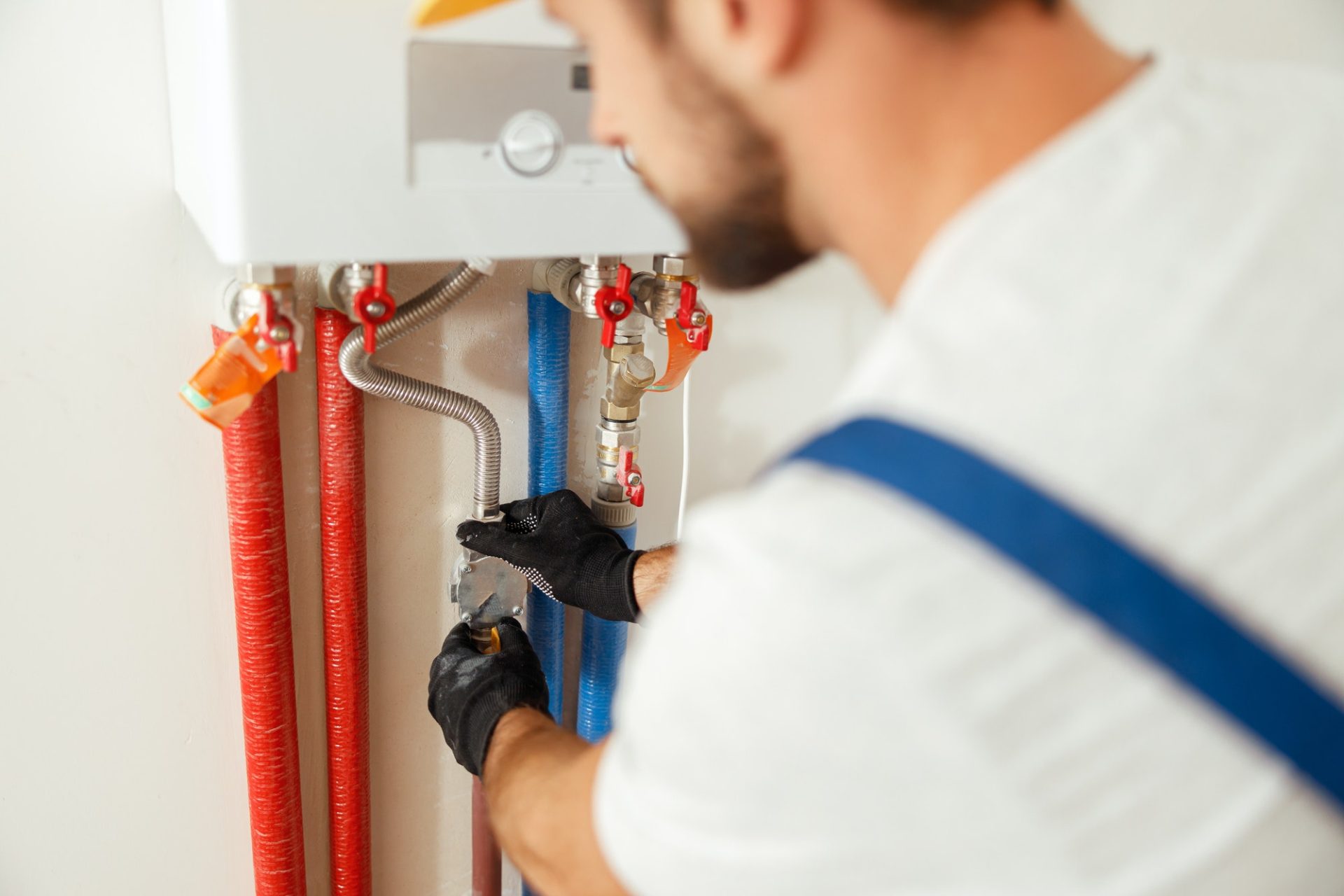
Water heaters provide hot water for various household activities. Whether you’re installing a new one or maintaining an existing one, following expert tips can ensure efficient operation and longevity. This article will explore essential tips for water heater installation and maintenance to help homeowners make informed decisions and avoid common issues.
- Proper Sizing
When installing a water heater, ensure it is properly sized for your household’s hot water needs. A plumber in Dallas, TX, can calculate the ideal size based on the number of occupants, usage patterns, and peak demand. Oversized heaters waste energy, while undersized ones may lead to an inadequate hot water supply.
- Location Considerations
Choose an appropriate location for your water heater installation. It should be placed in a well-ventilated area with sufficient clearance for maintenance access. To ensure safety and longevity, avoid installing near flammable materials or in areas prone to flooding.
- Temperature Settings
Set the temperature to an energy-efficient and safe level, typically around 120°F (49°C). Higher temperatures can lead to scalding and increase energy consumption. Use a thermometer to verify the temperature and adjust as needed for comfort and safety.
- Insulation
Insulate the hot water pipes and the tank to reduce heat loss and improve energy efficiency. Insulation sleeves or blankets can be installed easily and help maintain hot water temperatures, especially in colder climates.
- Regular Maintenance Checks
Schedule annual maintenance checks with a plumbing expert to inspect and maintain your water heater. This includes flushing the tank to clear sediment buildup, checking for leaks or corrosion, testing the valves, and verifying thermostat settings. Regular maintenance extends the lifespan of your water heater and ensures optimal performance.
- Anode Rod Inspection
Inspect the anode rod regularly and replace it if necessary. Anode rods prevent corrosion inside the tank by attracting minerals and debris. Over time, they can deteriorate, leading to tank corrosion. Replacing the anode rod, as recommended by the manufacturer, helps protect your water heater.
- Check for Leaks
Check for leaks around the water heater and connections regularly. Leaks can indicate issues with fittings, valves, or the tank itself. Addressing leaks promptly prevents water damage and potential system failure.
- Pressure Relief Valve Testing
Test this valve annually to ensure it functions correctly. Lift its lever to release water and verify that it closes tightly afterward. A malfunctioning pressure relief valve can lead to excessive pressure buildup and pose a safety hazard.
- Address Sediment Buildup
Over time, residue can collect at the bottom of the water heater tank, minimizing efficiency and resulting in damage. Flushing the tank on a yearly basis removes sediment and maintains optimal performance. Consult an expert for proper flushing procedures.
- Consider Upgrading
If your water heater is approaching the end of its lifespan or experiencing recurring issues, consider upgrading to a more energy-efficient model. Tankless water heaters, heat pump water heaters, and solar water heaters offer increased efficiency and long-term savings.
Following these tips for water heater installation and maintenance can help homeowners maximize efficiency, prolong the lifespan of their water heater, and avoid costly repairs. Proper sizing, location considerations, temperature settings, insulation, regular maintenance checks, anode rod inspection, leak detection, pressure relief valve testing, sediment buildup addressing, and upgrades are essential aspects of ensuring a reliable and efficient hot water supply in your home. Consult with professional plumbing personnel for personalized advice and services to keep your water heater in optimal condition.
Are you searching for a trustworthy company for drain cleaning in Dallas, TX? Contact the experts at Harlen Johnson Heating and AC at (972) 241-7771 today for top-notch service.
