

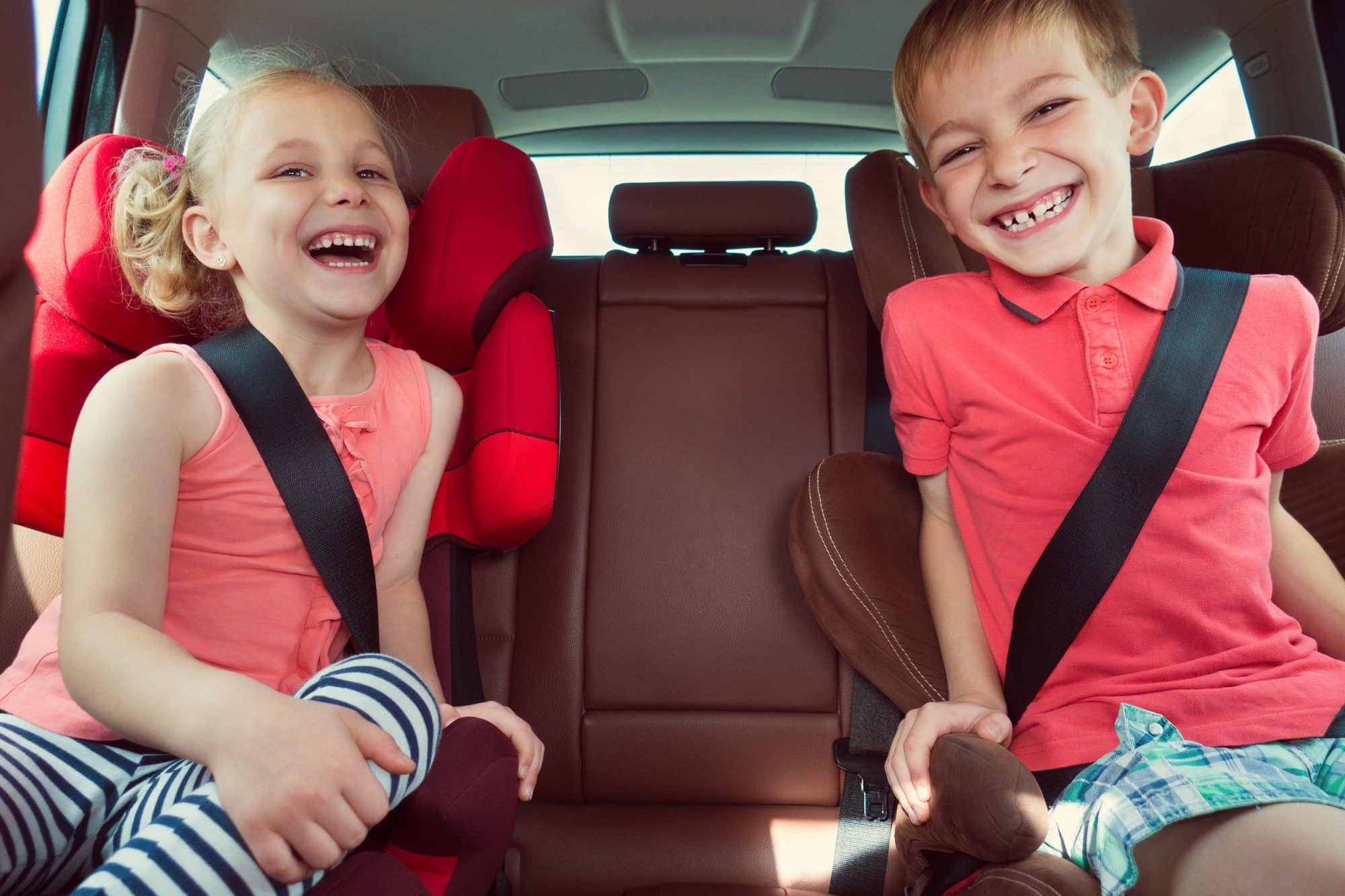
Seat belts and airbags play a vital role in reducing the risk of injuries during a car crash. Studies show that properly worn seat belts lower the risk of fatal injuries by about 50%, while airbags reduce the chance of death for front-seat passengers by approximately 30%. Airbags deploy within milliseconds, cushioning and protecting critical areas, and work in tandem with seat belts for optimal safety.
Understanding how these systems function, along with their legal implications, is key to staying safe on the road. By learning more about these essential safety features, you’ll be better equipped to maintain effective precautions while driving.
History of Seat Belts
The history of seat belts reveals a fascinating evolution in automotive safety that has saved countless lives. You mightn’t realize that the first seat belts were simple lap straps introduced in the 19th century.
These early designs lacked the advanced features we see today, but they marked the beginning of a journey toward improved safety. Over the decades, seat belt innovations emerged, greatly enhancing vehicle occupant protection.
In the 1950s, a pivotal historical milestone occurred when engineers developed the three-point seat belt. This design, credited to Nils Bohlin, offered better restraint by securing both the upper and lower body.
As you examine the timeline, you’ll notice that the 1960s brought legislation requiring seat belts in new cars, further pushing manufacturers to prioritize safety.
How Airbags Function
Airbags play an important role in enhancing vehicle safety by providing an additional layer of protection during collisions. When a crash occurs, the rapid deployment of airbags can greatly reduce the risk of severe injury. This process begins with advanced sensor technology that monitors the vehicle’s dynamics in real-time.
These sensors detect sudden deceleration or impact, triggering the airbag system almost instantaneously. Once the sensors signal a collision, an electrical charge ignites a chemical reaction that inflates the airbag. This happens within milliseconds, allowing the airbag to expand and cushion your body before you can make contact with the vehicle’s interior.
The effectiveness of airbag deployment lies in its timing and precision; if deployed too late or too early, it can fail to provide the necessary protection. Moreover, modern vehicles often feature multiple airbags strategically placed throughout the cabin, including front, side, and curtain airbags.
Each of these airbags works in conjunction with seat belts to guarantee maximum safety. Understanding how airbags function and the technology behind their deployment emphasizes their crucial role in preventing injuries during accidents.
Statistics on Injury Reduction
How notable is the impact of airbags on injury reduction during vehicle collisions? Research shows that airbags play a vital role in injury prevention, greatly lowering the risk of severe injuries in crashes. According to the National Highway Traffic Safety Administration (NHTSA), airbags reduce the risk of death for front-seat passengers by approximately 30%. This statistic underscores the importance of safety awareness; understanding the benefits of airbags can encourage you to verify they’re functional in your vehicle.
Moreover, when combined with seat belts, the effectiveness of airbags increases. A study found that using both seat belts and airbags can reduce the likelihood of fatal injuries by up to 50%. This highlights how imperative it’s to wear your seat belt at all times, as it works in tandem with airbags to protect you during a collision.
In the domain of injury statistics, it’s clear that the integration of airbags has transformed vehicle safety. By promoting safety awareness and understanding these statistics, you can make informed choices to enhance your protection on the road.
Types of Seat Belts
Understanding the various types of seat belts is fundamental for maximizing your safety while driving. Seat belts come in different configurations, primarily lap belts and shoulder belts, each playing a critical role in protecting you during a collision.
Lap belts, which secure across your hips, are designed to keep you anchored in your seat. They prevent you from sliding forward, which can lead to severe injuries in an accident. However, they don’t provide upper body restraint, making them less effective when used alone.
Shoulder belts, on the other hand, extend across your chest and shoulder, distributing force over a larger area of your body. This design greatly reduces the risk of upper body injuries, such as whiplash or chest trauma.
Most modern vehicles use a combination of both lap and shoulder belts, known as three-point seat belts, offering enhanced protection.
It’s essential to guarantee that both types of belts are correctly fitted and used. Adjusting your seat belt properly can make a considerable difference in how effectively they function during a crash, ultimately contributing to your overall safety on the road.
Always buckle up—it’s one of the simplest yet most effective ways to protect yourself.
Role of Airbags in Crashes
When a crash occurs, airbags deploy rapidly to cushion and protect occupants, greatly reducing the risk of severe injury. Their effectiveness hinges on timely airbag deployment, which occurs within milliseconds of a collision. This swift action is imperative, especially in high-impact scenarios where crash severity can lead to life-threatening injuries.
Airbags work in conjunction with seat belts, which are designed to keep you securely in place during a crash. While seat belts restrain your movement, airbags absorb some of the force generated during a collision, minimizing the impact on your body. They primarily protect essential areas such as the head and chest, which are susceptible to severe trauma in accidents.
Research shows that vehicles equipped with airbags notably lower the likelihood of fatalities and serious injuries. However, the effectiveness of airbags can be influenced by factors such as the angle and speed of the crash.
In frontal collisions, for instance, airbags are particularly beneficial, but their role diminishes in side impacts unless side airbags are also present. Understanding these dynamics is essential for appreciating how airbags contribute to overall vehicle safety.
Common Misconceptions
Many drivers hold misconceptions about the effectiveness and operation of airbags, often underestimating their role in vehicle safety. One common airbag misconception is that they can replace seat belts, leading some to believe they can drive without buckling up.
In reality, airbags are designed to work in conjunction with seat belts, not as a substitute. When you’re in an accident, the seat belt secures you in place, while the airbag cushions your impact.
Another prevalent seat belt myth is that it’s safe to wear the belt loosely. In a crash, a loose seat belt can cause serious injuries, as it won’t hold you firmly in your seat.
Additionally, some people think airbags are dangerous, especially for children, but when used correctly, they greatly reduce the risk of injury or death during a collision.
Understanding these common misconceptions is essential. When you combine the protective features of seat belts and airbags, you create a safer driving experience.
Always buckle up and make sure your passengers do the same—it’s your first line of defense on the road.
Legal Requirements and Regulations
Legal requirements for seat belts and airbags vary by region but generally mandate their use to enhance vehicle safety. Most jurisdictions have established legal standards to guarantee that all vehicles are equipped with functioning seat belts and airbags. These regulations not only specify the presence of these safety features but often require that all passengers use seat belts while the vehicle is in motion.
Despite these legal frameworks, enforcement challenges persist. Law enforcement agencies must balance resources and prioritize safety education while enforcing compliance. In some areas, unbuckled passengers may face fines, yet the actual enforcement can be inconsistent.
Additionally, public awareness campaigns play a significant role in guaranteeing compliance; however, misconceptions about seat belt efficacy can undermine these efforts.
Furthermore, manufacturers must adhere to stringent safety regulations when designing and installing airbags, which are vital in mitigating injuries during collisions. Monitoring compliance with these legal standards is essential for improving overall road safety.
Understanding these requirements helps you recognize the importance of adhering to vehicle safety regulations, ultimately contributing to a culture of safety on the roads.
Best Practices for Safety
To guarantee maximum safety while driving, adopting best practices for seat belt and airbag usage is vital. Always buckle up before starting your vehicle, as seat belts reduce the risk of serious injury by 50%. Make certain you’re wearing the seat belt correctly, with the lap belt low and snug across your hips and the shoulder belt across your chest.
When it comes to child safety, confirm that children are secured in age-appropriate car seats. Follow the manufacturer’s guidelines for installation and usage, as proper positioning can greatly reduce injury risks during an accident.
Regularly check your vehicle’s airbag system; verify there are no warning lights on your dashboard, indicating a malfunction. Vehicle maintenance is equally essential. Keep your car in top condition by adhering to regular service schedules, which helps guarantee that safety features like airbags function correctly when needed.
Don’t overlook the importance of inspecting seat belts for wear and tear. By prioritizing these best practices, you can enhance your safety and that of your passengers, greatly minimizing the risk of injury in the event of an accident.
Frequently Asked Questions
Can Seat Belts Cause Injuries During a Crash?
Yes, seat belts can cause injuries during a crash, especially if they’re improperly worn. However, their effectiveness in injury prevention far outweighs the risks, greatly reducing severe injuries and fatalities in most collision scenarios.
How Do Airbags Deploy in Different Types of Collisions?
Airbags deploy differently based on collision types. In frontal collisions, they inflate rapidly to protect you from hitting the steering wheel. In side impact collisions, they expand to cushion you from lateral forces, enhancing safety.
Do Children and Pets Need Special Seat Belts?
Yes, children need age-appropriate car seats for safety, while pets require pet restraints. Using proper child safety systems and pet restraints guarantees that everyone in your vehicle stays secure during travel, minimizing injury risks.
What Are the Signs of a Faulty Seat Belt?
You should regularly check your seat belt maintenance. Faulty indicators include fraying, stuck retraction, or unresponsive latches. Address these issues immediately to guarantee the seat belt functions effectively and keeps you safe during travel.
Can Airbags Be Dangerous for Certain Passengers?
Yes, airbags can be dangerous for certain passengers, especially if they’re too close during deployment. Their effectiveness relies on proper timing; if deployed too soon or late, they might cause injuries instead of preventing them.
Conclusion
In summary, understanding the importance of seat belts and airbags can greatly enhance your safety on the road. These essential components work together to reduce injuries during accidents, backed by compelling statistics. While misconceptions exist, adhering to legal requirements and best practices is imperative for your protection. By prioritizing the use of seat belts and ensuring your vehicle’s airbags are functional, you’re taking proactive steps to safeguard yourself and your passengers, ultimately making every journey safer.
