

Introduction: The Shift to Free-to-Play Models
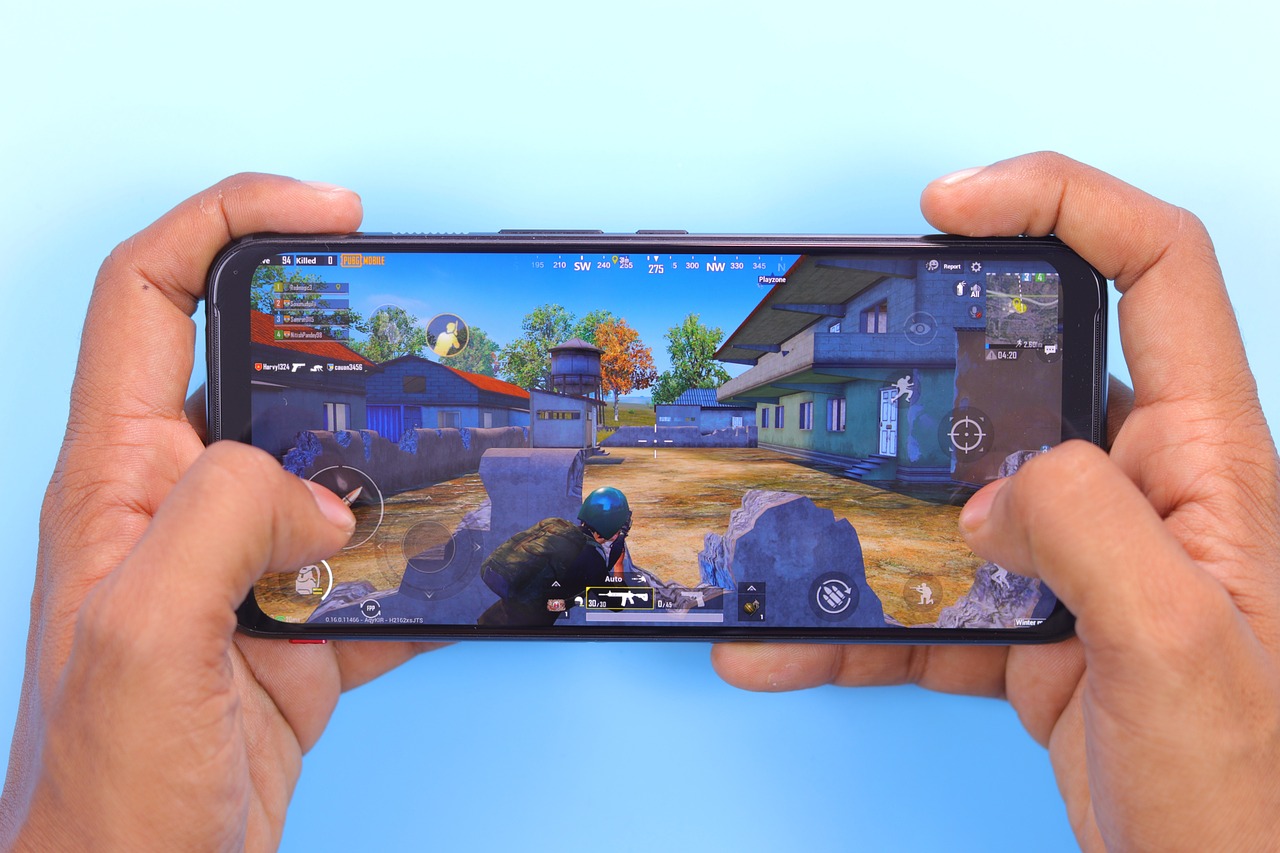
The online gaming industry has undergone a significant transformation in recent years, with the free-to-play (F2P) model emerging as a dominant force. This business model, which allows players to access games for free while offering in-game purchases, has reshaped the economic landscape of gaming. This article explores the economics behind the F2P model, its impact on the industry, and why it has become so successfulhttps://147.139.208.244/manual/.
The Rise of Free-to-Play Games
Early Beginnings and Evolution
The concept of free-to-play games is not entirely new, but its prominence has surged with the advent of the internet and mobile gaming. Early examples include browser-based games and massively multiplayer online games (MMOs) like Runescape and MapleStory, which offered free access with optional in-game purchases. The success of these early titles paved the way for more sophisticated F2P gameshttps://147.139.208.244/livechat-joker123/.
Mainstream Adoption
The widespread adoption of smartphones and improvements in internet connectivity have propelled the F2P model into the mainstream. Games like Candy Crush Saga, Clash of Clans, and Fortnite have demonstrated the immense profitability of this model, attracting millions of players and generating substantial revenue through microtransactions.
Understanding the Free-to-Play Model
Monetization Strategies
The F2P model relies on various monetization strategies to generate revenue:
- Microtransactions: Small in-game purchases, such as cosmetic items, virtual currency, and power-ups, are a primary revenue source. These purchases are often priced low to encourage frequent transactions.
- Battle Passes: Many F2P games offer battle passes, which are seasonal subscriptions providing players with exclusive rewards and progression opportunities.
- Advertising: Some F2P games incorporate ads, offering players rewards for watching them or featuring in-game ad placements.
- Gacha Mechanics: Inspired by Japanese vending machines, gacha mechanics involve players spending virtual currency for a chance to win random in-game items. This system is prevalent in mobile games.
Player Engagement and Retention
The success of F2P games hinges on keeping players engaged and retaining them over time. Developers employ various tactics to achieve this:
- Regular Updates: Frequent content updates, including new levels, characters, and events, keep the game fresh and exciting.
- Social Features: Multiplayer modes, leaderboards, and social media integration encourage player interaction and competition.
- In-Game Events: Special events and challenges create a sense of urgency and provide unique rewards, motivating players to log in regularly.
The Economic Impact of Free-to-Play Models
Revenue Generation
F2P games have proven to be immensely profitable. Despite being free to download, these games can generate billions in revenue. For instance, Fortnite reportedly earned over $9 billion in its first two years. The low barrier to entry attracts a large player base, and the diverse monetization options convert a significant portion of these players into paying customers.
Lower Development Costs
The F2P model can also reduce initial development costs. Developers can release a game with core features and then continuously update it based on player feedback and engagement. This iterative approach allows for better resource allocation and minimizes financial risk.
Wider Audience Reach
By eliminating the upfront cost, F2P games appeal to a broader audience. Players who might be hesitant to spend money on a game upfront are more likely to try a free game. This inclusivity helps build larger and more diverse player communities, which can enhance the social and competitive aspects of the game.
Case Studies of Successful Free-to-Play Games
Fortnite
Fortnite, developed by Epic Games, is a prime example of a successful F2P game. Its battle royale mode is free to play, with revenue generated through the sale of cosmetic items and battle passes. Fortnite’s frequent updates, in-game events, and collaborations with popular franchises keep the player base engaged and willing to spend money on in-game purchases.
League of Legends
League of Legends (LoL), a MOBA game by Riot Games, has sustained its popularity and profitability through the F2P model. Players can purchase champions and cosmetic skins, but the core gameplay remains free. LoL’s thriving eSports scene and regular content updates contribute to its enduring success.
Genshin Impact
Genshin Impact, developed by miHoYo, combines open-world exploration with gacha mechanics. The game is free to play, but players can spend money to obtain new characters and weapons. Its high-quality graphics, engaging gameplay, and regular content updates have made it a global hit, earning substantial revenue within its first year.
Challenges and Criticisms of Free-to-Play Models
Pay-to-Win Concerns
One of the primary criticisms of the F2P model is the potential for pay-to-win mechanics, where players who spend money gain a significant advantage over those who do not. This can create an uneven playing field and discourage non-paying players.
Addictive Mechanics
The use of addictive mechanics, such as loot boxes and gacha systems, has raised concerns about their impact on players, particularly younger audiences. These systems can encourage excessive spending and gambling-like behavior.
Quality and Content Balance
Maintaining a balance between free and paid content is challenging. Developers must ensure that the game remains enjoyable for free players while offering appealing incentives for those willing to spend money. Striking this balance is crucial to retaining a loyal player base.
The Future of Free-to-Play Gaming
Evolving Monetization Strategies
As the F2P model continues to evolve, developers will explore new monetization strategies. Innovations in virtual reality (VR) and augmented reality (AR) gaming, as well as advancements in AI and machine learning, will likely influence how games are monetized and experienced.
Regulatory Changes
In response to concerns about addictive mechanics and pay-to-win practices, regulatory bodies may introduce new guidelines and restrictions. Developers will need to adapt to these changes while finding ways to maintain profitability and player engagement.
Sustainability and Player Trust
Building sustainable F2P games requires a focus on player trust and long-term engagement. Developers who prioritize fair monetization practices, regular updates, and a positive player experience will be better positioned to succeed in the competitive gaming market.
Conclusion: The Dominance of Free-to-Play Models
The free-to-play model has undeniably transformed the economics of online gaming. By offering free access and leveraging diverse monetization strategies, developers can attract vast audiences and generate substantial revenue. While the F2P model presents challenges, its ability to democratize gaming and create inclusive, engaging experiences ensures that it will remain a dominant force in the industry for years to come.
