

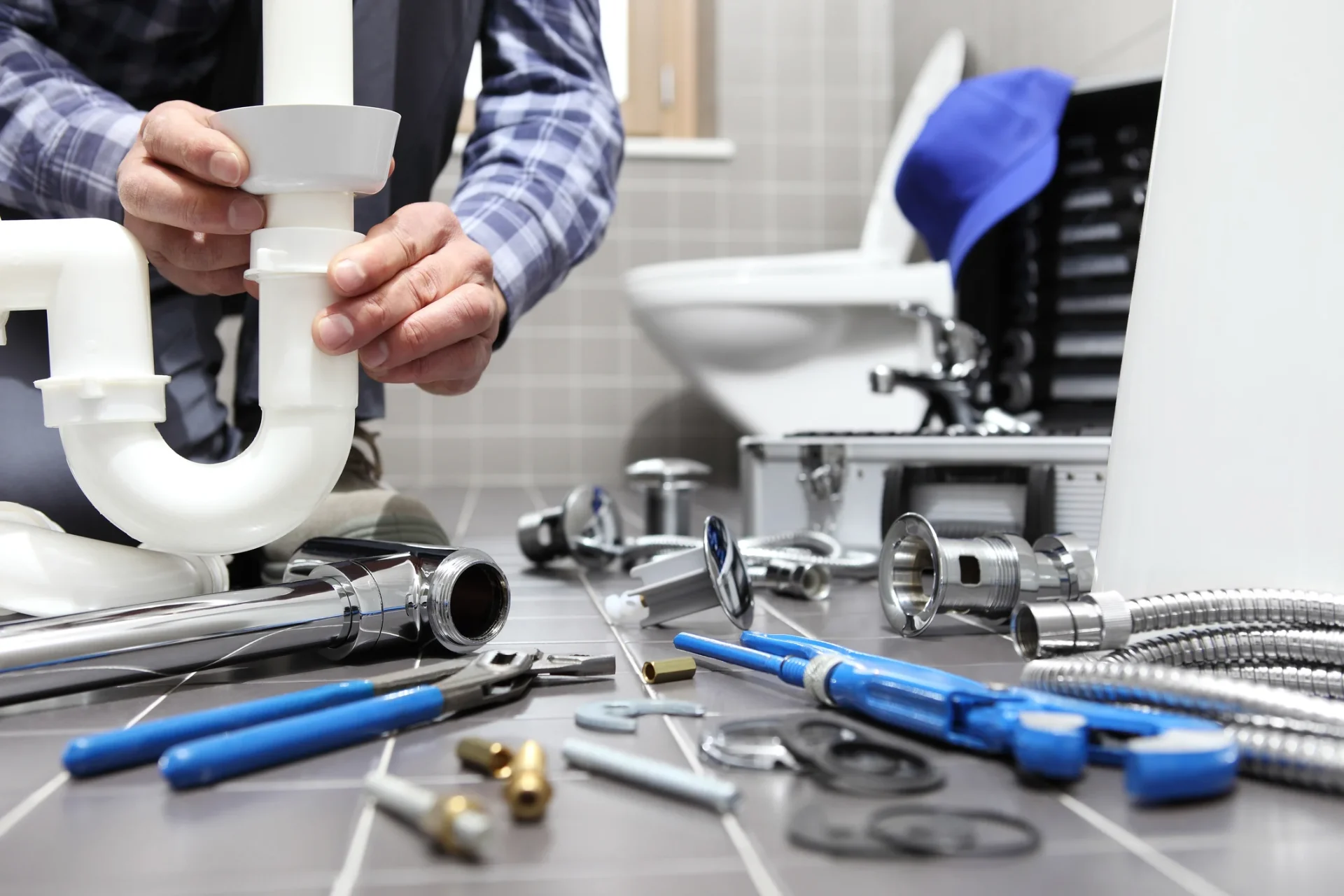
Water conservation is a critical global initiative, and plumbing specialists play a pivotal role in this endeavor. Through their expertise in designing, installing, and maintaining plumbing systems, they contribute significantly to reducing water wastage and promoting sustainable practices. This article explores the multifaceted role of a plumbing technician in water conservation efforts.
- Designing Efficient Plumbing Systems:
A plumber in Dayton, OH, is responsible for designing plumbing systems that prioritize water efficiency. This includes specifying low-flow fixtures, such as faucets, toilets, and showerheads, that minimize water usage without compromising performance. Additionally, they design layouts that minimize water waste by optimizing pipe lengths, reducing unnecessary bends, and ensuring proper insulation to prevent leaks.
- Installing Water-Saving Fixtures:
A key aspect of water conservation is the installation of water-saving fixtures, and experts are instrumental in this process. They replace outdated or inefficient fixtures with modern, eco-friendly alternatives that adhere to water efficiency standards. This includes installing aerators, flow restrictors, and smart valves that regulate water flow and usage, ultimately reducing water consumption in households and commercial buildings.
- Detecting and Repairing Leaks:
Undetected leaks can lead to significant water wastage and damage to property. Experts are skilled at detecting leaks in plumbing systems, whether visible or hidden. Through pressure tests, visual inspections, and advanced leak detection technologies, they identify leaks promptly and perform necessary repairs to prevent further water loss. This proactive approach is crucial in conserving water and preventing costly water damage.
- Educating and Promoting Water-Saving Practices:
They also play a role in educating clients and promoting water-saving practices. They advise homeowners and businesses on efficient water usage habits, such as fixing leaks promptly, using water-saving appliances, and practicing responsible irrigation techniques. By raising awareness and providing actionable tips, they empower individuals to contribute to water conservation efforts on a daily basis.
- Implementing Greywater Systems:
Greywater, wastewater generated from sources like sinks, showers, and washing machines, can be recycled and reused for non-potable purposes such as irrigation and toilet flushing. Plumbing experts are instrumental in designing and installing greywater systems that capture, treat, and redistribute greywater for these purposes. This sustainable approach reduces reliance on freshwater sources for non-drinking purposes, conserving water resources effectively.
- Maintaining Water Treatment Systems:
In addition to freshwater conservation, they contribute to preserving water quality by maintaining water treatment systems. They service and repair water filtration systems, water softeners, and reverse osmosis units, ensuring that these systems operate efficiently and provide clean, safe water. This maintenance not only conserves water by preventing system leaks but also ensures optimal water quality for consumption and use.
Plumbing specialists are unsung heroes in the global effort to conserve water and promote sustainability. From designing efficient plumbing systems and installing water-saving fixtures to detecting leaks, educating clients, implementing greywater systems, and maintaining water treatment systems, their contributions are integral to preserving this precious resource. By recognizing and supporting the role of a plumber in water conservation efforts, we can collectively work towards a more sustainable future for generations to come.
Join the movement for water conservation with the proficients at Eco Plumbers, Electricians, and HVAC Technicians! Contact their team at (855) 326-7586 to make a difference today!
