

Breaking a foot can be painful and frustrating, but finding the right mobility aid can significantly ease the recovery process. A walker is a crucial tool for maintaining mobility and independence while ensuring that your foot heals properly. However, with so many options available, choosing the best walker for a broken foot can be overwhelming. In this comprehensive guide, we’ll explore the best walker options to help you make an informed decision.
Understanding Your Needs
Before diving into specific walker options, it’s essential to understand your unique needs. Factors such as the severity of the break, your weight, height, lifestyle, and personal preferences will influence the type of walker that’s best for you. Consulting with your healthcare provider can provide valuable insights tailored to your condition.
Types of Walkers
Walkers come in various styles and designs, each offering different features and benefits. Here are the main types of walkers to consider:
- Standard Walkers
- Two-Wheeled Walkers
- Four-Wheeled Walkers
- Knee Walkers
Standard Walkers
Standard walkers are basic and highly stable, making them an excellent choice for those who need maximum support. They typically have four legs with rubber tips for added grip and are height adjustable.
Pros:
- Stability: Provides excellent support, ideal for those with balance issues.
- Control: No wheels mean you have complete control over movement.
- Affordability: Generally more affordable than wheeled options.
Cons:
- Mobility: Can be challenging to maneuver, especially on uneven surfaces.
- Speed: Slower than wheeled walkers, which might not suit active individuals.
Two-Wheeled Walkers
Two-wheeled walkers offer a balance between stability and mobility. They have two wheels on the front legs and rubber tips on the back legs, providing more flexibility than standard walkers.
Pros:
- Ease of Movement: Wheels make it easier to navigate different surfaces.
- Stability: Rear rubber tips provide stability when stationary.
- Versatility: Suitable for both indoor and outdoor use.
Cons:
- Control: Less control than standard walkers due to the wheels.
- Terrain: Not ideal for rough or uneven terrain.
Four-Wheeled Walkers
Four-wheeled walkers, also known as rollators, are equipped with four wheels and typically include a seat and hand brakes. They are designed for individuals who need more mobility and support for longer distances.
Pros:
- Mobility: Easy to maneuver, suitable for various terrains.
- Convenience: Built-in seat allows for resting when needed.
- Speed: Faster than standard and two-wheeled walkers.
Cons:
- Stability: Less stable than other options, requiring good balance and strength.
- Size: Bulkier, making it less convenient for tight spaces or travel.
Knee Walkers
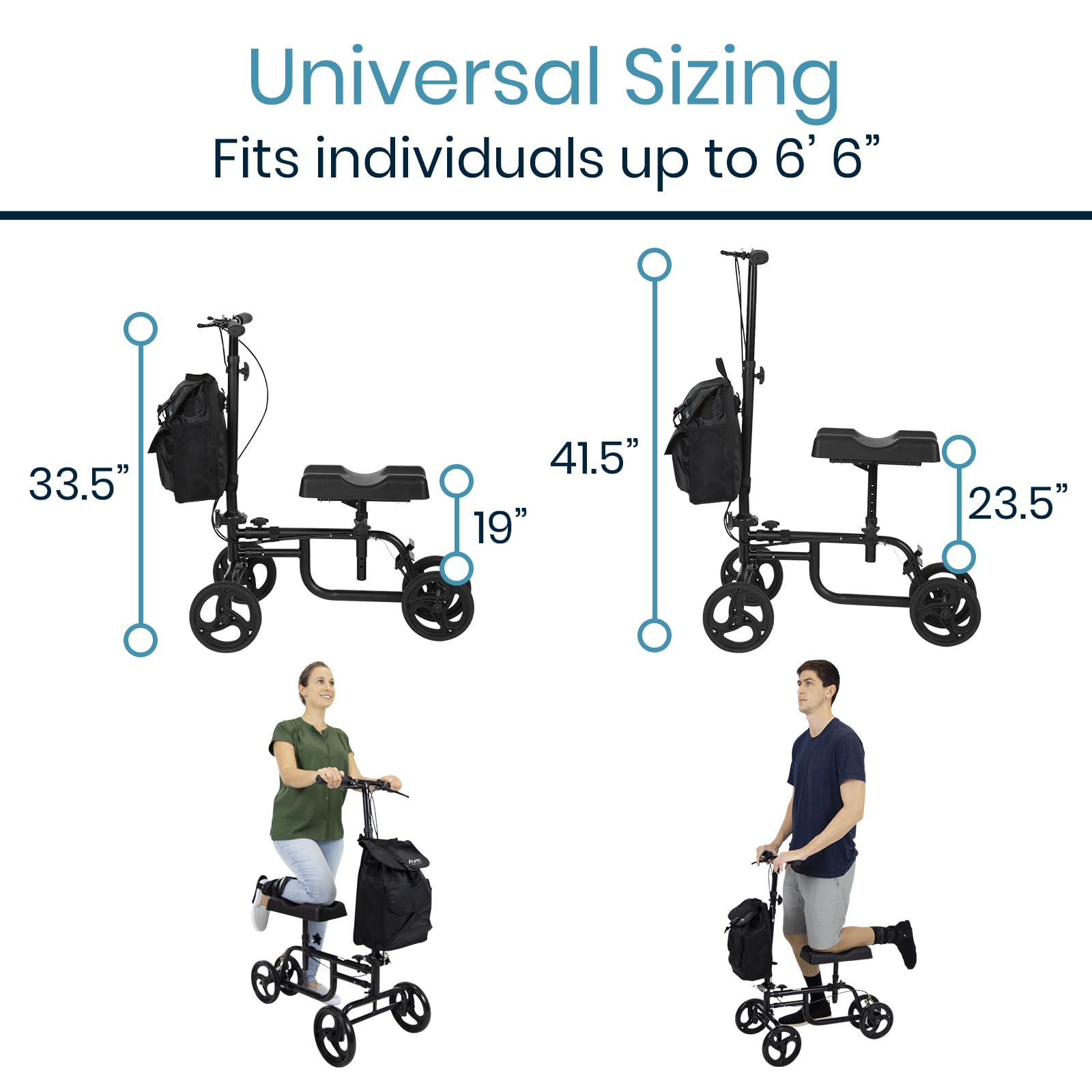
Knee walkers, or knee scooters, are excellent options for those with broken feet. They allow you to rest your knee on a padded platform while propelling yourself with your good leg. This type of walker is particularly beneficial for non-weight-bearing injuries.
Pros:
- Comfort: Reduces pressure on the injured foot.
- Mobility: Highly maneuverable, suitable for indoor and outdoor use.
- Speed: Faster and more efficient than traditional walkers.
Cons:
- Learning Curve: May take time to get used to steering and balancing.
- Terrain: Not suitable for rough or uneven surfaces.
- Cost: Generally more expensive than other types of walkers.
Top Walker Recommendations
Now that you understand the different types of walkers, let’s explore some of the best walker options available for those with a broken foot. These recommendations take into account factors such as comfort, stability, ease of use, and customer reviews.
Drive Medical Deluxe Two-Button Folding Walker
The Drive Medical Deluxe Two-Button Folding Walker is a popular choice for those seeking a reliable and affordable option. Its lightweight aluminum frame and easy-to-use push-button mechanisms make it practical.
Features:
- Adjustable Height: Accommodates users of different heights.
- Folding Design: Easy to store and transport.
- Durable Construction: Supports up to 350 pounds.
Pros:
- Affordability: Budget-friendly option.
- Ease of Use: Simple push-button mechanisms for folding.
- Sturdiness: Provides excellent stability.
Cons:
- Mobility: Limited to standard walker movement.
Medline Premium Empower Rollator Walker
The Medline Premium Empower Rollator Walker is a four-wheeled walker designed for those who need more mobility and support. It features a comfortable seat, adjustable height, and convenient storage options.
Features:
- Adjustable Height: Customizable for user comfort.
- Built-in Seat: Provides a comfortable resting place.
- Storage Bag: Includes a storage bag for personal items.
Pros:
- Comfort: Padded seat and backrest.
- Mobility: Easy to maneuver on various surfaces.
- Convenience: Storage options for carrying essentials.
Cons:
- Size: Bulkier than standard walkers.
- Cost: Higher price point.
KneeRover Deluxe Steerable Knee Walker
The KneeRover Deluxe Steerable Knee Walker is a top choice for those with broken feet. It offers excellent mobility and comfort, and its steerable design and adjustable features make it a versatile option.
Features:
- Steerable Design: Easy to navigate and control.
- Adjustable Height: Accommodates different users.
- Padded Knee Platform: Provides comfort and support.
Pros:
- Comfort: Reduces pressure on the injured foot.
- Mobility: Highly maneuverable and efficient.
- Durability: Sturdy construction for long-term use.
Cons:
- Learning Curve: May take time to master.
- Terrain: Limited to smooth surfaces.
Hugo Elite Rollator Walker
The Hugo Elite Rollator Walker is another excellent four-wheeled option. It features a comfortable seat, backrest, and storage options. It’s designed for those who need a balance of mobility and stability.
Features:
- Adjustable Height: Suitable for various users.
- Comfortable Seat: Padded seat with backrest.
- Storage Bag: Convenient for carrying personal items.
Pros:
- Comfort: Provides a resting place when needed.
- Mobility: Easy to maneuver and control.
- Convenience: Storage options for added practicality.
Cons:
- Size: Bulkier than standard walkers.
- Cost: Higher price point.
Choosing the Right Walker
Selecting the best walker for a broken foot involves considering your specific needs and preferences. Here are some key factors to keep in mind:
Comfort
- Ensure the walker provides adequate support and comfort for your condition.
- Look for padded handles, adjustable height, and other features that enhance comfort.
Mobility
- Consider where you’ll be using the walker most frequently (indoors, outdoors, or both).
- Choose a walker that suits your lifestyle and daily activities.
Stability
- Assess your balance and strength to determine the level of stability you need.
- Standard walkers offer maximum stability, while wheeled options provide more mobility.
Convenience
- Think about storage and transport options, especially if you travel frequently.
- Folding designs and lightweight frames can be more convenient.
Budget
- Determine your budget and find a walker that offers the best value for your money.
- Keep in mind that more advanced features may come at a higher cost.
Tips for Using a Walker Safely
Using a walker correctly is crucial for ensuring safety and promoting healing. Here are some tips to help you use your walker effectively:
Adjust the Height
- Adjust the walker to the proper height, allowing your arms to be slightly bent when holding the handles.
Move Slowly
- Take your time and avoid rushing to prevent falls or further injury.
Clear Pathways
- Remove obstacles and ensure your walking paths are clear of hazards.
Use Hand Brakes (if applicable)
- If your walker has hand brakes, use them to control your speed and maintain stability.
Practice Proper Posture
- Stand upright and avoid leaning too far forward or backward.
Conclusion
Choosing the best walker for a broken foot is a critical step in your recovery journey. By understanding your needs and exploring different walker options, you can find a mobility aid that provides the right balance of comfort, stability, and convenience. Whether you opt for a standard walker, two-wheeled walker, four-wheeled walker, or knee walker, the key is to prioritize your safety and well-being. Consult with your healthcare provider to ensure you’re making the best choice for your specific condition, and soon you’ll be on the path to recovery with confidence and ease.
