

What’s the cost of missing a small defect inside an aviation engine? Engine failures account for a measurable percentage of in-flight incidents every year, often traced back to preventable issues like fatigue cracks or contamination on turbine blades. For maintenance professionals, time, accuracy, and reliable documentation are not just desired—they’re mandatory.
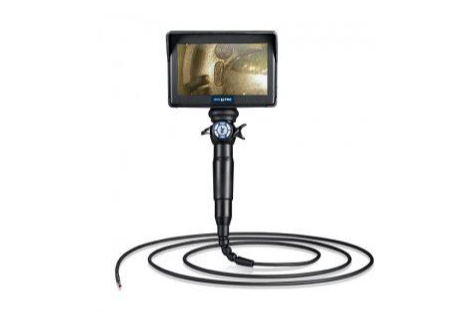
This is where portable videoscopes come in. These inspection cameras provide the reach, clarity, and flexibility to evaluate turbine blades without disassembly, speeding up inspections while ensuring nothing is missed. Their ability to capture and store high-quality images and video makes them invaluable for aviation and helicopter maintenance teams.
This article will explain how portable videoscopes optimize turbine blade inspections by improving speed, accuracy, and documentation. It will also share practical tips for lighting, positioning, and image capture to maximize results.
Why Turbine Blade Inspections Require Precision
Turbine blades endure extreme temperatures, high pressures, and repeated mechanical stress. Even minor wear or residue buildup can lead to reduced efficiency—or in worst cases, catastrophic failure. Traditional inspection methods often required partial disassembly, extending downtime and raising costs.
Portable videoscopes have changed this equation. With diameters as small as 4mm and lengths of up to 1.5 meters, these tools give aviation professionals direct visual access to confined engine spaces. The flexibility of articulating tips means blades can be inspected from multiple angles without removing them from the engine.
Advantages of Portable Videoscopes in Aviation Inspections
Portable videoscopes offer several benefits over older borescope systems and manual methods.
1. Speed of Inspections
- Quick access to turbine sections without disassembly.
- Faster turnaround for scheduled maintenance and unscheduled checks.
- Reduced downtime, which is especially important for commercial operators.
2. Accuracy and Reliability
- High-resolution imaging reveals fine cracks, scratches, or residue.
- Adjustable lighting minimizes glare and shadowing on reflective blade surfaces.
- Articulating probe tips allow inspectors to examine edges and hidden areas.
3. Documentation and Record-Keeping
- Built-in image capture and video recording standardize inspection reports.
- Digital files can be shared instantly with engineering teams for second opinions.
- Historical records support predictive maintenance and compliance audits.
Together, these capabilities transform turbine blade inspections from a time-intensive process into a streamlined, data-driven workflow.
Practical Tips for Optimizing Videoscope Inspections
Getting the best results from a videoscope inspection requires more than inserting the probe. The following practices can significantly improve efficiency and clarity:
Lighting Adjustment
- Use variable LED intensity to avoid overexposure on polished blade surfaces.
- Adjust angles to reduce reflection and highlight cracks or deposits.
- Balance brightness to ensure both the surface and background remain visible.
Proper Positioning
- Keep the probe steady to avoid blurred images.
- Use articulation to reach around blade roots and trailing edges.
- Maintain consistent distances when capturing comparison images.
Image Capture and Documentation
- Capture multiple views of the same blade section to ensure full coverage.
- Label digital files immediately to prevent confusion during reporting.
- Record video sweeps of entire rows for thorough reviews.
When these practices are followed, maintenance teams achieve not only better results but also more efficient workflows.
Choosing the Right Videoscope for Turbine Blade Inspections
Selecting the correct tool is as important as knowing how to use it. Aviation engines often require inspection cameras with specific specifications:
- Diameter options: Smaller diameters, such as 4mm or 6mm, are better for accessing tight spaces, while 8mm models may be used for larger cavities.
- Working length: A minimum of 1.5 meters is recommended for most turbine engines.
- Articulation: Two- or four-way articulation ensures access to hidden blade surfaces.
- Durability: Inspections in aviation environments demand robust and portable devices that can withstand frequent use.
Professionals often prefer to buy portable videoscopes that combine these features with built-in recording functions. Economy videoscopes available online also provide practical options for teams balancing performance with budget.
Extending Applications Beyond Turbine Blades
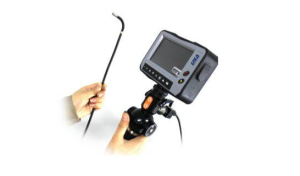
While turbine blade inspections are among the most common applications, portable inspection cameras are also valuable for:
- Gearbox inspections: Checking for gear wear, lubrication issues, or contamination.
- Combustion chamber inspections: Monitoring for hotspots or material degradation.
- Helicopter engines: Performing checks in confined housings where traditional methods are limited.
The adaptability of videoscopes makes them indispensable across multiple aircraft systems.
Why Documentation Matters More Than Ever
Aviation regulations increasingly emphasize traceability and accountability in maintenance records. Portable videoscopes simplify compliance by providing visual proof of each inspection step. Instead of relying solely on written descriptions, technicians can present high-definition images and video clips that clearly demonstrate blade conditions.
Benefits include:
- Smoother regulatory audits.
- Improved collaboration between field technicians and engineering staff.
- A stronger foundation for predictive maintenance strategies.
By integrating this level of documentation, maintenance professionals reduce risks and improve operational reliability.
Building Efficiency into Every Inspection
Portable videoscopes are more than just inspection tools—they are workflow enhancers. They allow maintenance professionals to:
- Complete inspections faster, reducing aircraft downtime.
- Increase accuracy, lowering the risk of overlooked defects.
- Provide better records for long-term maintenance planning.
By following best practices for lighting, positioning, and image capture, aviation teams maximize the value of their inspections and improve the safety and performance of every aircraft they maintain.
A Smarter Way Forward for Aviation Maintenance
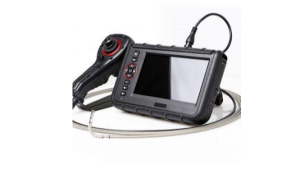
How can aviation professionals continue meeting rising safety standards while reducing inspection time? The answer lies in adopting inspection technologies designed for efficiency and accuracy. Portable videoscopes give maintenance teams the power to perform turbine blade inspections with precision, speed, and full documentation—without the delays and costs of disassembly.
For aviation and helicopter maintenance professionals looking to stay ahead, USA Borescopes offers a wide selection of inspection cameras suited for turbine blade inspections, including 4mm, 6mm, and 8mm options. Their portable solutions combine durability with advanced imaging features, helping technicians conduct inspections more effectively.
To buy portable videoscopes, review economy inspection cameras online, or request guidance on which tool fits a specific engine application, contact USA Borescopes. Their expertise in borescope technology ensures that every inspection meets the highest standards of accuracy and efficiency.
Author Bio
Michael G. Thompson is an aviation maintenance specialist with over 15 years of experience in engine inspections and aerospace technology. He has worked extensively with turbine blade assessments and advanced inspection tools, including portable videoscopes. Michael is passionate about sharing practical insights and best practices that help aviation professionals improve safety, efficiency, and documentation standards.
