

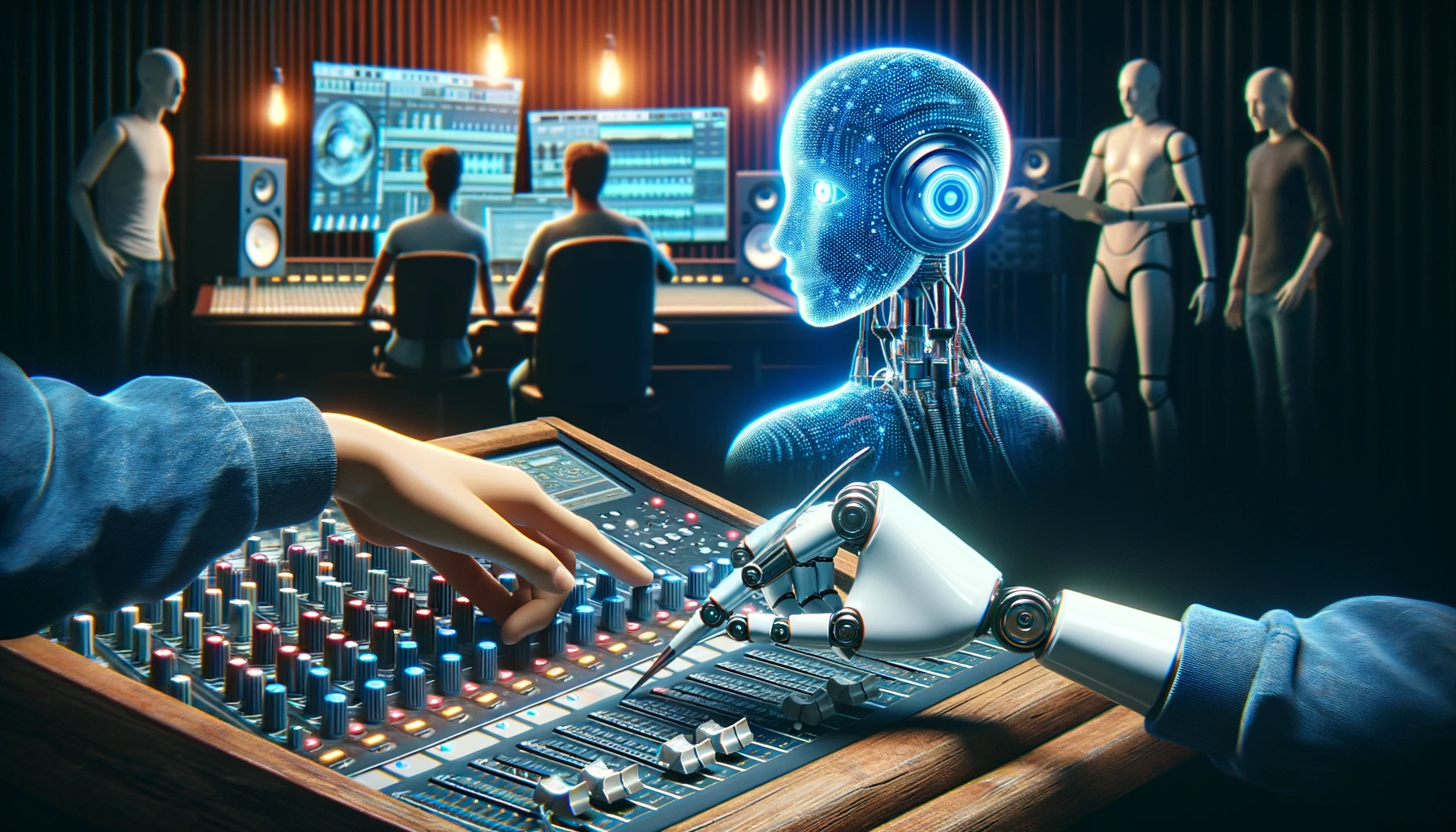
Music has been an integral part of our societies since the beginning of time. With each new technology, music advanced a little bit, adapting to the innovations and the changing tastes of the listeners. However, with the emergence of AI, the music industry – the craft and the business – has undergone massive transformations. Production is now quicker, and generating tracks is easier. As AI continues to expand its influence, here are some ways it can be useful to music composers –
Restore Old/Historical Music
The AI-driven algorithms are trained in data mining and analyzing the available notes and fragments of music. It deep-dives into the archives, studies the existing pieces by the same musician, or by other contemporary composers, and tries to fill in the missing parts that need restoration. These algorithms study melodies, their progression, and patterns in composition to generate near-accurate results.
Cost-effective Music Production
As opposed to traditional music production and mastering, AI offers a quick and efficient way to mix and master tracks. Artists can upload their versions and within a few minutes have a clear, high-quality track ready. It also allows composers to make unlimited adjustments to their music and generate multiple versions, while also working with a team of engineers and producers, which they can compare and contrast before the final release. Ozone by Izotope and LANDR are some of the most popular AI-powered tools in use right now. These are known for their time and cost-effective contributions to the post-production processes.
Generative AI in Producing Varied and Unique Tracks
Algorithms are trained to analyze styles, structures, notes, and patterns. These then go on to generate unique tracks and compositions using prompts fed by the musician. Some tools can complete unfinished tracks uploaded by composers or build an entire track without humans mediating the whole process.
Generating mini-tracks is often helpful in overcoming creative blocks and makes room for more ideas. Prompts related to mood, genres, and styles are used to generate new and authentic music quickly and give way to hyper-personalization. AIVA, SOUNDRAW, and Amadeus Code are a few examples of generative AI that are used by composers, musicians, and other creators.
Creative Aid for musicians
Producing high-quality tracks might require high-end and expensive equipment. AI-based software is a great alternative for beginners who can’t afford these – it makes music production accessible to the less financially fortunate. Less time and more variations also mean endless experimentation and explorations that boost the creative workflow and create new opportunities for fusing diverse styles and forms.
Would a Professional Course help?
In short, Yes. Keeping up with the changing trends and innovations in the industry, the music schools are tweaking their curriculum to include digitally driven music production. The newer music engineering courses provide a detailed understanding of AI-driven music production and prepare students to adapt to the dynamism of the industry.
Specialized courses in Sound Design equip students with the ability to understand different synthesis techniques and the science behind them, learn the use of various tools required to build and design sounds and know the use of MIDI and other instruments. They are encouraged to get acquainted with the latest software and trained to help contribute toward developing algorithms.
Certification courses and other degrees in music production are similarly being designed to help students combine the knowledge of traditional and classical music and AI tools to create newer tracks and novel genres of fusion music.
Moving Forward with Music X AI
While we look forward to a harmonious collaboration between human creativity and Artificial intelligence in the future, there are some concerns to be raised. The past year has witnessed a rise in the use of generative AI to imitate artists, creating deep fake versions of their voices. Although these have been rightfully flagged, the moral dilemma remains. Generating authentic tracks, and sometimes even vocals increases our dependence on data, despite its not-so-perfect artistic pursuits in the past.
The only way forward at the moment is to keep in mind the moral aspects of incorporating AI into art and use it as an aid to accelerate our creative workflow.
If you are an aspiring musician and are also fascinated by technical innovations, check out the advanced courses in music production and sound design by AAFT. Our curriculum keeps up with the advancements and provides the right training and exposure needed to realize your dream career in music.
