

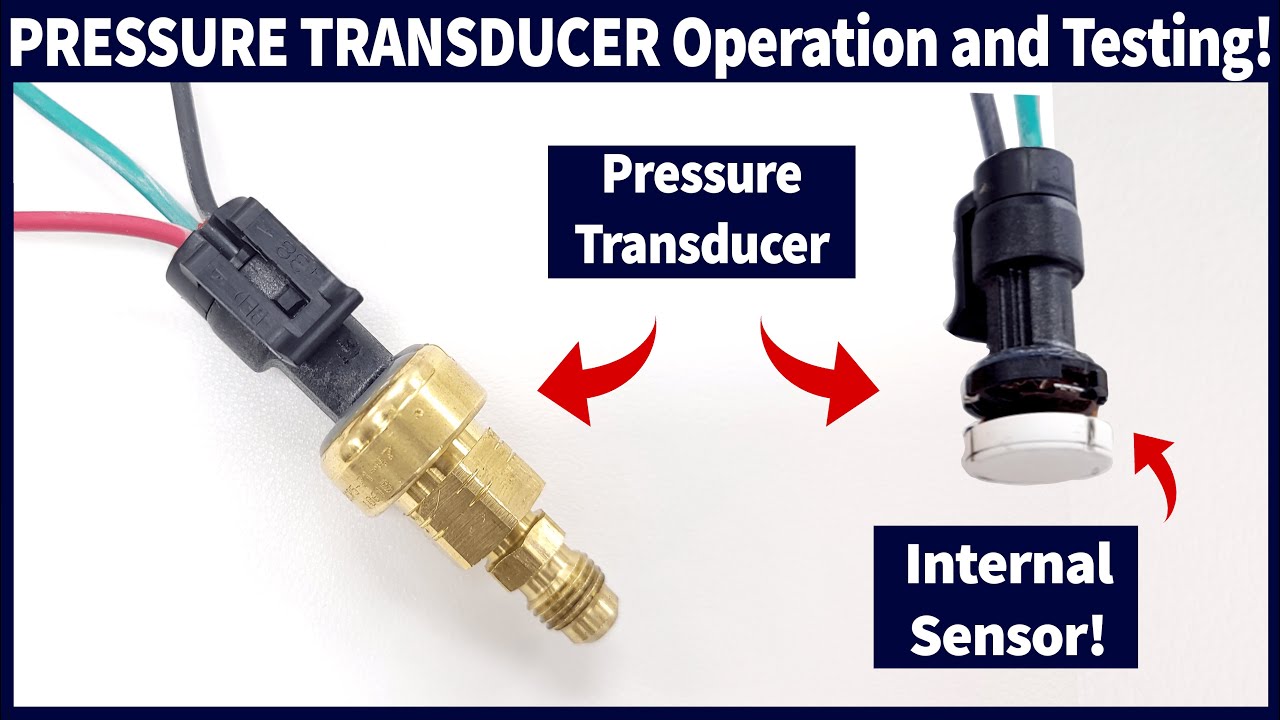
Pressure transducers are vital tools in various fields, ensuring safety and comfort by measuring pressure. This blog explores their importance, functionality, and essential role in engineering and industrial settings, offering valuable insights for engineers and technicians on their effective use and maintenance.
The Basics of How Pressure Transducers Function
At their core, pressure transducers are devices that convert pressure into an electrical signal. But how does this conversion happen? Let’s break it down into simple terms.
Firstly, the pressure transducer has a sensing element made from materials like silicon or ceramic. When pressure is applied to this element, it changes shape slightly. This change in shape affects the electrical properties of the material, such as resistance or capacitance.
Next, the transducer’s internal circuitry detects these changes and converts them into an electrical signal. This signal can then be read by electronic devices, providing a precise measurement of the pressure.
In essence, pressure transducers act as translators, converting physical pressure into readable data. This ability makes them indispensable in monitoring and controlling various processes.
Types of Pressure Transducers
Pressure transducers come in several types, each designed for specific applications. Understanding these types can help you choose the right one for your needs.
Strain Gauge Transducers
Strain gauge transducers are among the most common types. They use a strain gauge bonded to the sensing element. When pressure is applied, the strain gauge deforms, changing its electrical resistance. This change is converted into an electrical signal, providing a pressure measurement.
Capacitive Transducers
Capacitive transducers operate on the principle of capacitance. They have two conductive plates separated by a dielectric material. When pressure is applied, the distance between the plates changes, altering the capacitance. This change is detected and converted into an electrical signal.
Piezoelectric Transducers
Piezoelectric transducers use materials that generate an electric charge when subjected to mechanical stress. When pressure is applied, these materials produce a voltage proportional to the pressure. This voltage is then used to measure the pressure accurately.
Understanding these types helps in selecting the right transducer for specific applications, ensuring accurate and reliable measurements.
Applications in Engineering and Industrial Settings
Pressure transducers are widely used in engineering and industrial settings. Their ability to provide precise pressure measurements makes them invaluable in various applications.
Manufacturing Processes
In manufacturing, pressure transducers monitor and control processes like injection molding, where precise pressure control ensures product quality. They also play a role in hydraulic and pneumatic systems, maintaining optimal pressure levels for efficient operation.
HVAC Systems
Heating, ventilation, and air conditioning (HVAC) systems rely on pressure transducers to maintain comfort levels. These devices monitor the pressure of refrigerants and airflows, ensuring the system operates efficiently and safely.
Automotive Industry
In the automotive industry, pressure transducers monitor engine performance, fuel systems, and tire pressure. Accurate pressure measurements help optimize performance, improve fuel efficiency, and enhance safety.
These examples highlight the versatility of pressure transducers and their critical role in various industries.
Factors to Consider When Selecting Pressure Transducers
Choosing the right pressure transducer involves considering several factors. These considerations ensure you select a device that meets your specific needs and provides accurate measurements.
Pressure Range
The pressure range is a crucial factor. Ensure the transducer and float switch can handle the maximum pressure in your application without compromising accuracy. Select a transducer with a range that comfortably covers your operating pressures.
Accuracy and Sensitivity
Accuracy and sensitivity are vital for precise measurements. Check the transducer’s accuracy specifications and ensure it meets your requirements. Sensitivity refers to how responsive the transducer is to pressure changes, impacting measurement quality.
Compatibility and Environmental Factors
Consider the compatibility of the transducer with your system. Ensure it can interface with your data acquisition hardware. Additionally, evaluate environmental factors such as temperature, humidity, and exposure to corrosive substances, selecting a transducer that can withstand these conditions.
By carefully considering these factors, you can choose a pressure transducer that delivers reliable and accurate performance in your specific application.
The Future of Pressure Transducer Technology
The future of pressure transducer technology looks promising, with advancements aimed at improving performance, accuracy, and versatility. Several trends are shaping the future of these devices.
Miniaturization
Miniaturization is a significant trend. Smaller pressure transducers are being developed, allowing for integration into compact systems and devices. These miniaturized transducers offer the same level of accuracy and reliability as their larger counterparts.
Wireless Technology
Wireless pressure transducers are gaining popularity. These devices eliminate the need for physical connections, simplifying installation and maintenance. Wireless technology also enables real-time data monitoring and remote access, enhancing convenience and efficiency.
Enhanced Materials and Manufacturing Techniques
Advancements in materials and manufacturing techniques are improving the durability and performance of pressure transducers. New materials offer better resistance to harsh environments, while innovative manufacturing processes enhance accuracy and reliability.
These trends indicate a bright future for pressure transducers, with continuous improvements making them even more valuable in various applications.
Importance of Regular Maintenance and Calibration
Like any precision instrument, pressure transducers require regular maintenance and calibration to ensure accurate and reliable performance. Neglecting these aspects can lead to measurement errors and compromised data integrity.
Regular Inspections
Regular inspections help identify potential issues before they affect performance. Check for physical damage, corrosion, and wear. Inspect the electrical connections and ensure they are secure.
Calibration
Calibration is crucial for maintaining accuracy. Over time, pressure transducers may drift from their original calibration due to environmental factors and usage. Regular calibration ensures the transducer provides accurate measurements within specified tolerances.
Cleaning and Protection
Keep the transducer clean and protected from harsh conditions. Follow the manufacturer’s guidelines for cleaning procedures and use protective measures to shield the transducer from contaminants and extreme temperatures.
By incorporating regular maintenance and calibration into your routine, you can extend the lifespan of your pressure transducer and ensure consistent and accurate measurements.
Conclusion
Pressure transducers are indispensable tools in modern engineering and industrial applications. They provide accurate and reliable pressure measurements, enabling precise control and monitoring of various processes.
